Wednesday, May 04, 2011
Gulf News
Dubai Business travel to the Middle East is expected to out-perform leisure tourism by 2015.
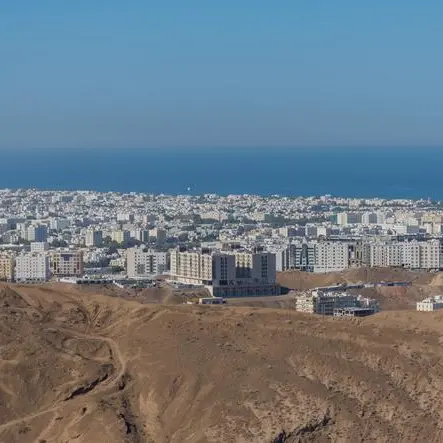
The boost in numbers is expected to benefit traditional Gulf business hubs including Oman and the UAE as well as Saudi Arabia and Qatar.
Qatar has vowed to increase business travel to the country by 20 per cent over the next five years while Saudi Arabia hosted events worth in excess of three billion riyals last year.
“It is very high priority for high-end tourist development,” Nadejda Popova, travel and tourism industry analyst for Euromonitor, said during a presentation at yesterday’s Arabian Travel Market.
Popova pointed to the meetings, incentives, conferences and exhibitions (Mice) sector as an area of growth in the Gulf despite a decline in the sector over the past few years due to the global financial crisis.
“The growth has been slowing down over the last couple of years because the sector is closely linked to the business environment. As a result of the recession this is slowing down, hence the impact on the Mice sector,” she said.
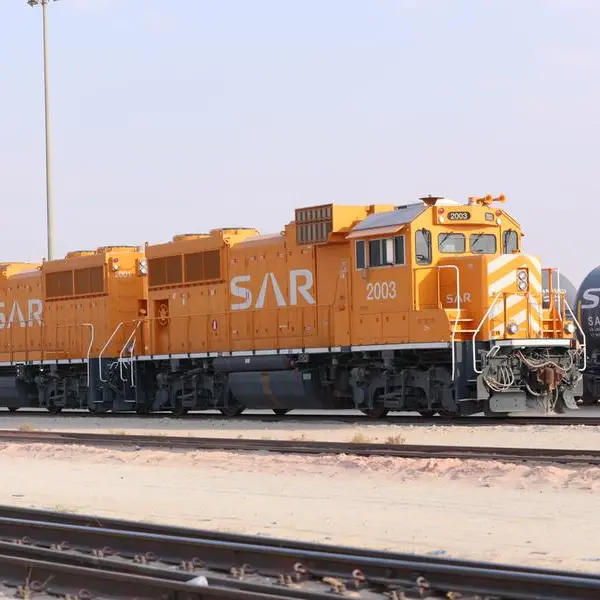
That said, massive infrastructure development in countries such as Saudi Arabia — which is currently investing in commercial office space, rail networks and extensions of the airports in both Makkah and Jeddah — would make the Gulf increasingly popular as a Mice destination.
Popova revealed that the Middle East currently accounts for 12 per cent of global tourism this year, a figure which has taken a hit in markets such as Egypt, Tunisia, Syria and Bahrain, but been prevented from falling too far by strong growth in the UAE, Saudi Arabia, Oman and Qatar.
She also admitted, however, that the Gulf still relied too heavily on intra-regional travel, which amounted to 46.3 per cent in 2010 and is not expected to change in the next five years. She added that traditional markets — France, the UK and Italy — remained good targets although new markets, such as Russia, also held promise.
Speaking specifically of Abu Dhabi, Popova said that the UAE capital was successfully supplementing its business tourism with strong cultural aspects. The city is developing a major cultural district on Saadiyat Island.
But she added that over-capacity in the city was a concern.
“There a growing oversupply of hotels, this is leading to lower occupancy and revenue per room,” she said. “That needs to be taken into consideration for future investment.
Dubai The Middle East should consider setting up a pan-regional body to represent it to potential visitors abroad, tourism industry leaders were told yesterday.
Nadejda Popova, travel and tourism industry analyst for Euromonitor, said during a presentation at yesterday’s Arabian Travel Market that such a body would ensure that the whole region doesn’t suffer because of problems in specific markets.
It would also ensure that areas of the Mena region that are best suited to certain markets — for example recommending luxury tourists the UAE or Egypt and business travellers Saudi Arabia or Oman — would ensure that every country met its full potential.
“A pan-regional organisation could have a common voice to make the Middle East a contender with other strong operators and other strong regions in the world,” she said.
By Orlando Crowcroft?Business News Editor
Gulf News 2011. All rights reserved.