The global construction industry shows little sign of recovery after suffering a considerable setback in the wake of the 2008 credit crunch. The Saudi and Qatari construction markets not only buck the trend and largely outperform the rest of the GCC area, but they also remain some of fastest-growing markets in the world, offering a wealth of opportunities for construction firms.
"In Saudi Arabia and Qatar, infrastructure spending continues to be strong, but with lower margins. During the construction boom, MENA region contractor margins have remained higher than international peers," noted Bashar Al Natoor, director in Fitch Ratings' EMEA corporate team in Dubai, indicating that despite some adjustments the countries remain significant hubs of opportunity for the local, national and international industry players.
Saudi Arabia
According to a report published by Ventures Middle East for the international building and construction show The Big 5, there is over USD 100 billion worth of construction to take place in Saudi Arabia in 2012 - making the kingdom the largest construction market in the Middle East.
Construction - the largest non-oil economic sector in Saudi Arabia - is undergoing a major growth driven by several factors. First, the government is pursuing its attempts to diversify the kingdom's oil-reliant economy by investing heavily in infrastructure to develop the manufacturing and services industries. The record highs hit by oil prices in the past few years have further increased the government's revenues and therefore public spending.
King Abdullah unveiled a record five-year stimulus package of over USD 400 billion during the 2009 G20 summit in Washington. Further to this ninth development plan, in the wake of the Arab Spring, the Saudi government announced a USD 130 billion package to create more jobs and build more homes last year. For 2012, Saudi Arabia has put aside USD 70.6 billion to develop infrastructure, transport, education and real estate. The kingdom is enjoying a strong economic performance and stability despite the global financial crisis, with 4% annual growth forecast for the coming years.
Another force for the construction industry's growth is Saudi Arabia's booming population - accompanied by an increasing housing deficit. The population growth rate, which stood at 2.4% in 2010 according to the World Bank, is one of the highest in the world; of this 70% is under the age of 31. The Saudi population is expected to double by 2050. Affordable housing is a huge, mostly untapped market. According to a November 2011 study by Jones Lang LaSalle: "Saudi Arabia faces a potential shortfall of up to one million housing units in the kingdom over the next three years, driven by demand from the kingdom's young, fast growing and rapidly urbanising population. This demand for new space is not currently being matched by the supply of quality residential accommodation at affordable prices."
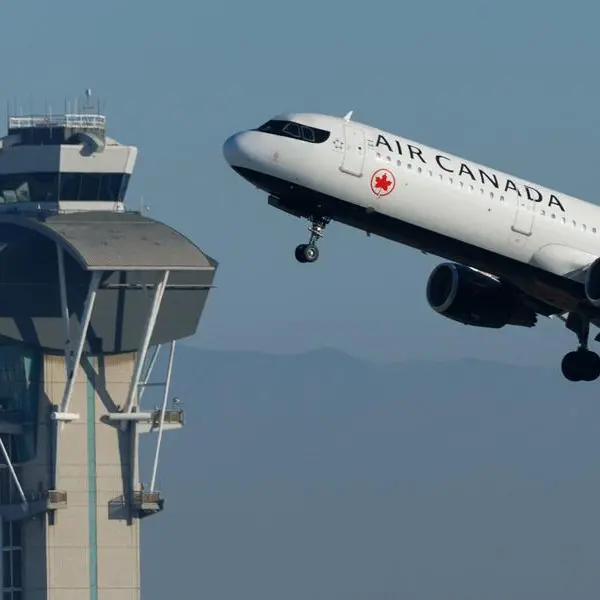
Beyond the real estate market, "Saudi Arabia is a big market in terms of infrastructure, with a need for many roads, bridges, tunnels, sewage systems, etc. So much needs to be done," said Ian Metcalfe, Managing Director of Strategy and Development at Faithful+Gould, one of the world's largest project management and cost management services consultancies. The British company is currently working on the reconstruction of Jeddah airport, a project in excess of USD 10 billion. In total, the construction of six new international and eight regional airports is under way or planned in the country. Four major railways projects are in the pipeline: the Saudi Land Bridge, the Mecca-Medina high-speed rail link, the North South Railway, and the Mecca Mono Rail. As much as USD 26.9 billion is to be spent on road and bridge infrastructure.
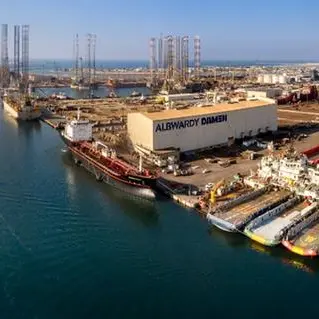
Saudi Arabia announced in June 2011 it will spend USD 613 million on port expansions. Water investment remains a priority for the kingdom, Saudi Arabia being listed under "absolute water scarcity category". By 2024, USD 63 billion is to be spent on desalination and power generation schemes, and USD 28 billion on wastewater investment.
The Saudi government is also investing heavily in tourism and leisure infrastructure. It has more than doubled its hotel pipeline over the past year, jumping from 46 to 95 projects, according to research by Dubai-based Viability Management Consultants. If government expenditure has focused on developing religious tourism and business travel, it has, in the past few years, also stepped up efforts to increase domestic tourism. New leisure resorts are being built on the Gulf and Red Sea coasts and in the mountain areas of Taif and Abha, and there are plans to create a number of museums to showcase the country's cultural and archaeological history.
The Saudi ministry of education said in September 2011 it will spend USD 8.5 billion on constructing 4,000 new schools as part of its plan to overhaul the kingdom's education system. And more than USD 18 billion has been committed during the last five-year plan for the construction of primary healthcare centres, the building of 120 new hospitals and the upgrade of four existing hospitals.
Work has begun on a number of "mega projects" such as the construction of up to six Economic Cities, all providing huge opportunities for sub-contractors.
Qatar
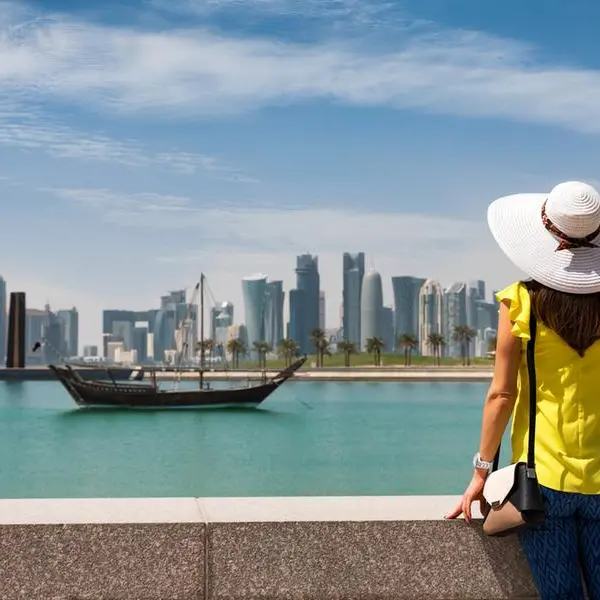
Qatar may have a much smaller domestic market - the population is only 1.5 million - but it has huge development ambitions. The richest country in the world in terms of GDP per capita has dedicated over 40% of its budget towards infrastructure expansion projects. It is estimated that Qatar will invest around USD 60-70 billion in hotel, leisure, tourism, sports, recreational and infrastructure projects as it prepares to host the FIFA World Cup in 2022.
The key infrastructure projects undertaken to mesmerize the world during this major sporting event also complement the Qatar National Vision 2030 programme, which aims at improving quality of life and promoting sustainable economic growth in the country.
According to Business Monitor International (BMI), construction and energy projects worth USD 125 billion are planned over the coming years, and the sector should enjoy growth of 9.5% year-on-year in 2012. BMI expects transport infrastructure investment of USD 80-100 billion over the next five years, and does not expect investments to peak until 2015, making Qatar the second largest market for transport investments.
Besides the construction of the Doha metro and of over 700 kilometres of railway line, the country will also expand Doha's international airport, and build many new roads, bridges, many to serve Lusail City, a new urban waterfront development located on the east coast.
After double-digit growth in 2011, Qatar's economic expansion is set to considerably slow down this year due to lower oil and gas prices. "The economic outlook for 2012 remains positive, despite increased external risks. Real gross domestic product (GDP) growth rate is projected to moderate to 6% in 2012," the IMF said in December 2011. However, all the investments currently undertaken should help support the economy in the years to come, the IMF noted.
© Zawya 2012