15 May 2013
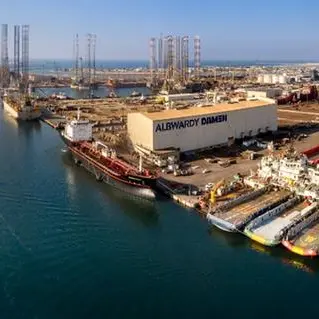
MUSCAT -- General cargo volumes handled by Salalah Port during the first quarter of this year rose 18 per cent to 1.9 million tonnes in comparison with figures for Q1 2012, the transshipment and logistics hub on the Indian Ocean said in the Directors' Report of the company's performance for the three months ended March 31.
The major commodities namely limestone, gypsum, methanol and cement, which are exported from Salalah to nearby markets, continue to drive the general cargo business, Ali Mohammed Redha, Chairman of Board of Directors, Salalah Port Services Co, said.
"The increase of export volumes of our major customers is a reflection of the value that the port plays in helping businesses connect to global markets.
The project of expansion of the general cargo berths and the liquid jetty is progressing well. However, the electrical work and corridor could delay the project completion," he stated in the Directors' Report.
During Q1 2013, the Container Terminal handled 850,000 TEUs (Twenty-foot Equivalent Units), representing a decline of 7.8 per cent against the Q1 2012 throughput of 922,000 TEUs.
"The reason for the decline in container activity is lower volumes from one of the port's major liner customers.
The port is pursuing increase in share of business from existing customers and actively continues to attract new customer lines. Despite a reduction in volume, the Container Terminal has recorded an uptick in crane productivity, reflecting the organisation's success in the culture shift towards Process Excellence and teamwork that is required to execute improvement in productivity," the Chairman stated. Consolidated revenue for Q1 2013 climbed 4 per cent to RO 14.3 million.
The consolidated net profit was recorded at RO 2.07 million, an increase of 29 per cent compare to Q1 2012. Net profit after tax increased to RO 2.065 million during Q1 2013 from RO 1.605 million for the corresponding period in 2012.
"The company's efforts in reducing waste and driving performance has enabled the improvement in performance despite lower container terminal volume," Ali Mohamed Redha said.
Commenting on the outlook for the port's future growth, he said one of the strategic aims of the Port of Salalah is to encourage companies to add value to imported bulk and break bulk products to generate additional re-export business for the Container Terminal (CT) and General Cargo Terminal (GCT). "We expect a positive future for the GCT and look forward to the completion of expansion by Q4 2013. A number of major investors are expressing interest to utilize the coming capacity for dry and liquid bulk commodities at the new GCT facility. The CT and GCT continue to handle significant volumes for local customers including Octal Petrochemicals, Salalah Methanol, Raysut Cement and Salalah Mills."
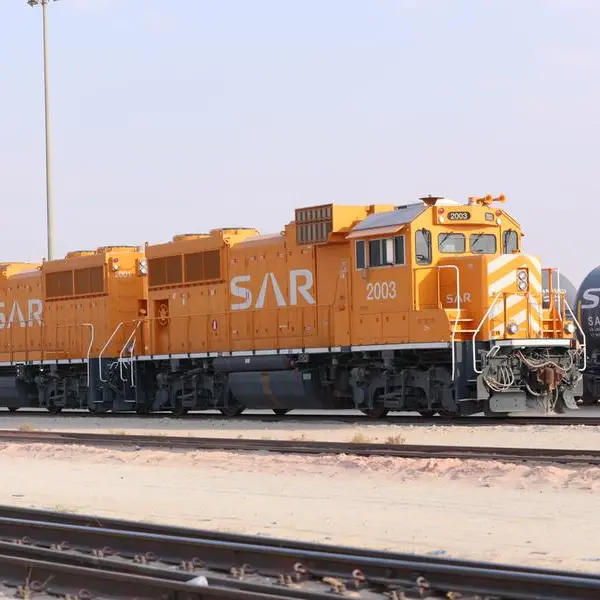
The Chairman also underlined the importance of the propose rail project to Salalah Port and the wider national economy. "Oman is ideally located to play a preeminent role in the region's market and economic development.
"In support of this vision, the Government of Oman has announced the inclusion of the Port of Salalah in the first phase of the design of Oman's portion of the strategic GCC Railway Network.
Once this is complete, Oman and the Port of Salalah will become an even greater economic presence in the region," Redha added.
MUSCAT -- General cargo volumes handled by Salalah Port during the first quarter of this year rose 18 per cent to 1.9 million tonnes in comparison with figures for Q1 2012, the transshipment and logistics hub on the Indian Ocean said in the Directors' Report of the company's performance for the three months ended March 31.
The major commodities namely limestone, gypsum, methanol and cement, which are exported from Salalah to nearby markets, continue to drive the general cargo business, Ali Mohammed Redha, Chairman of Board of Directors, Salalah Port Services Co, said.
"The increase of export volumes of our major customers is a reflection of the value that the port plays in helping businesses connect to global markets.
The project of expansion of the general cargo berths and the liquid jetty is progressing well. However, the electrical work and corridor could delay the project completion," he stated in the Directors' Report.
During Q1 2013, the Container Terminal handled 850,000 TEUs (Twenty-foot Equivalent Units), representing a decline of 7.8 per cent against the Q1 2012 throughput of 922,000 TEUs.
"The reason for the decline in container activity is lower volumes from one of the port's major liner customers.
The port is pursuing increase in share of business from existing customers and actively continues to attract new customer lines. Despite a reduction in volume, the Container Terminal has recorded an uptick in crane productivity, reflecting the organisation's success in the culture shift towards Process Excellence and teamwork that is required to execute improvement in productivity," the Chairman stated. Consolidated revenue for Q1 2013 climbed 4 per cent to RO 14.3 million.
The consolidated net profit was recorded at RO 2.07 million, an increase of 29 per cent compare to Q1 2012. Net profit after tax increased to RO 2.065 million during Q1 2013 from RO 1.605 million for the corresponding period in 2012.
"The company's efforts in reducing waste and driving performance has enabled the improvement in performance despite lower container terminal volume," Ali Mohamed Redha said.
Commenting on the outlook for the port's future growth, he said one of the strategic aims of the Port of Salalah is to encourage companies to add value to imported bulk and break bulk products to generate additional re-export business for the Container Terminal (CT) and General Cargo Terminal (GCT). "We expect a positive future for the GCT and look forward to the completion of expansion by Q4 2013. A number of major investors are expressing interest to utilize the coming capacity for dry and liquid bulk commodities at the new GCT facility. The CT and GCT continue to handle significant volumes for local customers including Octal Petrochemicals, Salalah Methanol, Raysut Cement and Salalah Mills."
The Chairman also underlined the importance of the propose rail project to Salalah Port and the wider national economy. "Oman is ideally located to play a preeminent role in the region's market and economic development.
"In support of this vision, the Government of Oman has announced the inclusion of the Port of Salalah in the first phase of the design of Oman's portion of the strategic GCC Railway Network.
Once this is complete, Oman and the Port of Salalah will become an even greater economic presence in the region," Redha added.
© Oman Daily Observer 2013